Last updated: May 13, 2026
Most apparel startups collect three to five quotations and then make the same mistake: they compare only the final unit price. The better approach is to compare scope, assumptions, quality standards, risk, and landed cost. A supplier that is $0.40 cheaper per unit can still cost more once you add remake risk, slow communication, or packaging errors.
What a useful quotation should include
- Style description: Product category, fabric type, construction details, and wash or finish.
- MOQ: Minimum order quantity per style, per color, and per size ratio.
- Unit price basis: FOB, EXW, or another commercial term so you know what is and is not included.
- Sampling charges: Development sample, fit sample, and pre-production sample costs.
- Lead time: Sampling days, bulk production days, and shipping readiness date.
- Packaging scope: Polybags, size stickers, hang tags, carton marks, and barcode application.
- Payment terms: Deposit percentage, balance terms, and whether there is any quality holdback.
The five areas buyers compare first
1) Price structure, not just the final number
Ask whether the quote assumes buyer-supplied fabric, nominated trims, or standard packaging. If one supplier includes branded labels and another does not, the quotes are not comparable yet.
2) MOQ flexibility
A supplier with a higher MOQ may show a lower unit price, but the total cash exposure can be much larger. For new brands, lower MOQ often reduces risk more than a small unit cost saving improves margin.
3) Lead-time realism
Very short lead times can signal that the factory has not fully thought through fabric sourcing, printing capacity, washing, or approval rounds. Ask how the timeline is built.
4) Quality systems
Quote comparison should include process quality, not only garment price. Ask about inline inspections, pre-production approvals, measurement tolerances, and final AQL inspection.
5) Communication quality
Fast, clear answers during quotation usually predict smoother production later. If basic costing questions produce vague responses, that same vagueness often shows up during bulk production.
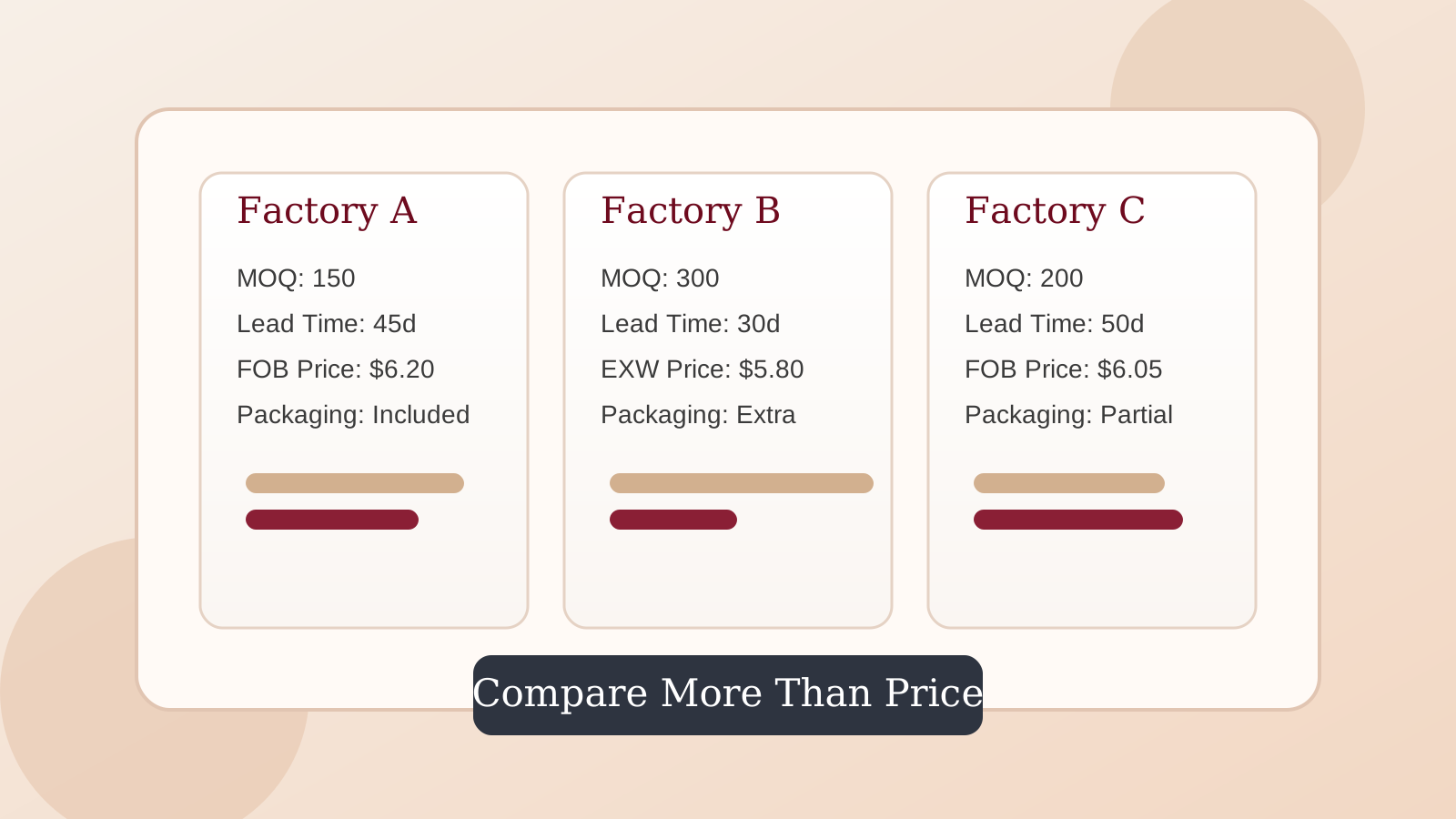
Simple quote comparison table
| Factor | Supplier A | Supplier B | Supplier C |
|---|---|---|---|
| MOQ per style | 150 pcs | 300 pcs | 200 pcs |
| Price term | FOB | EXW | FOB |
| Sampling fee | Moderate | Low | Moderate |
| Packaging included | Yes | No | Partial |
| Lead time | 45 days | 30 days | 50 days |
| QC process explained | Yes | Unclear | Yes |
Hidden costs that distort quotes
- Fit revision rounds: Cheap sampling can become expensive if the factory needs too many corrections.
- Fabric substitution risk: If fabric specifications are vague, cost can change after lab dips or sourcing.
- Testing and compliance: Care labels, fiber content, and testing requirements may be extra.
- Packaging upgrades: Custom polybags, branded tags, warning labels, and carton assortment can add meaningful cost.
- Rework or delay cost: A weak factory can create late launches, air freight upgrades, and markdown risk.
Questions to ask before choosing
- What exact fabric composition, weight, and finish is this price based on?
- How does the price change if quantity increases or decreases?
- What approvals are needed before bulk starts?
- What defects or measurement tolerances are treated as unacceptable?
- Can you share a sample timeline from development to shipment?
- What is the cost impact if we need branded labels, barcodes, or FBA-ready preparation?
When the cheapest quote is still the right one
The lowest quote can be the best option if the factory also shows category expertise, clean communication, transparent costing, and a realistic production plan. The problem is not low pricing itself. The problem is low pricing with missing assumptions and unclear execution.
References worth reviewing
- Incoterms: Use the current ICC Incoterms guidance so you do not compare FOB and EXW quotations as if they cover the same responsibilities.
- Labeling rules: Check the FTC care-labeling guidance and fiber-content requirements for the markets where you sell.
- Inspection standards: If quality terms are vague, use an agreed AQL standard and a written defect checklist before production starts.
- Packing instructions: Document barcode position, carton marks, and assortment rules in one pack spec so every quote includes the same scope.
Bottom line
A quote is only useful when you know what it includes, what it assumes, and what could still change. Compare manufacturer quotations across price term, MOQ, quality process, packaging scope, and communication quality. That is how you avoid false savings and choose a factory that protects your launch.