Last updated: May 13, 2026
Many brands spend weeks perfecting fit and fabric, then treat packaging as an afterthought. That is where avoidable issues start. Missing warning labels, wrong barcode placement, mixed size assortments, or weak cartons can create warehouse receiving problems and expensive rework. A strong packaging plan makes goods easier to inspect, ship, receive, and sell.
What garment packaging has to do
- Protect the product: Prevent dust, moisture, rubbing, and transit damage.
- Support compliance: Carry the right labels, warnings, and barcode logic for your market.
- Speed up receiving: Make it easy for warehouses and 3PL teams to identify style, color, and size.
- Reflect brand presentation: The unboxing experience still matters, even in wholesale or FBA environments.
The standard packaging stack
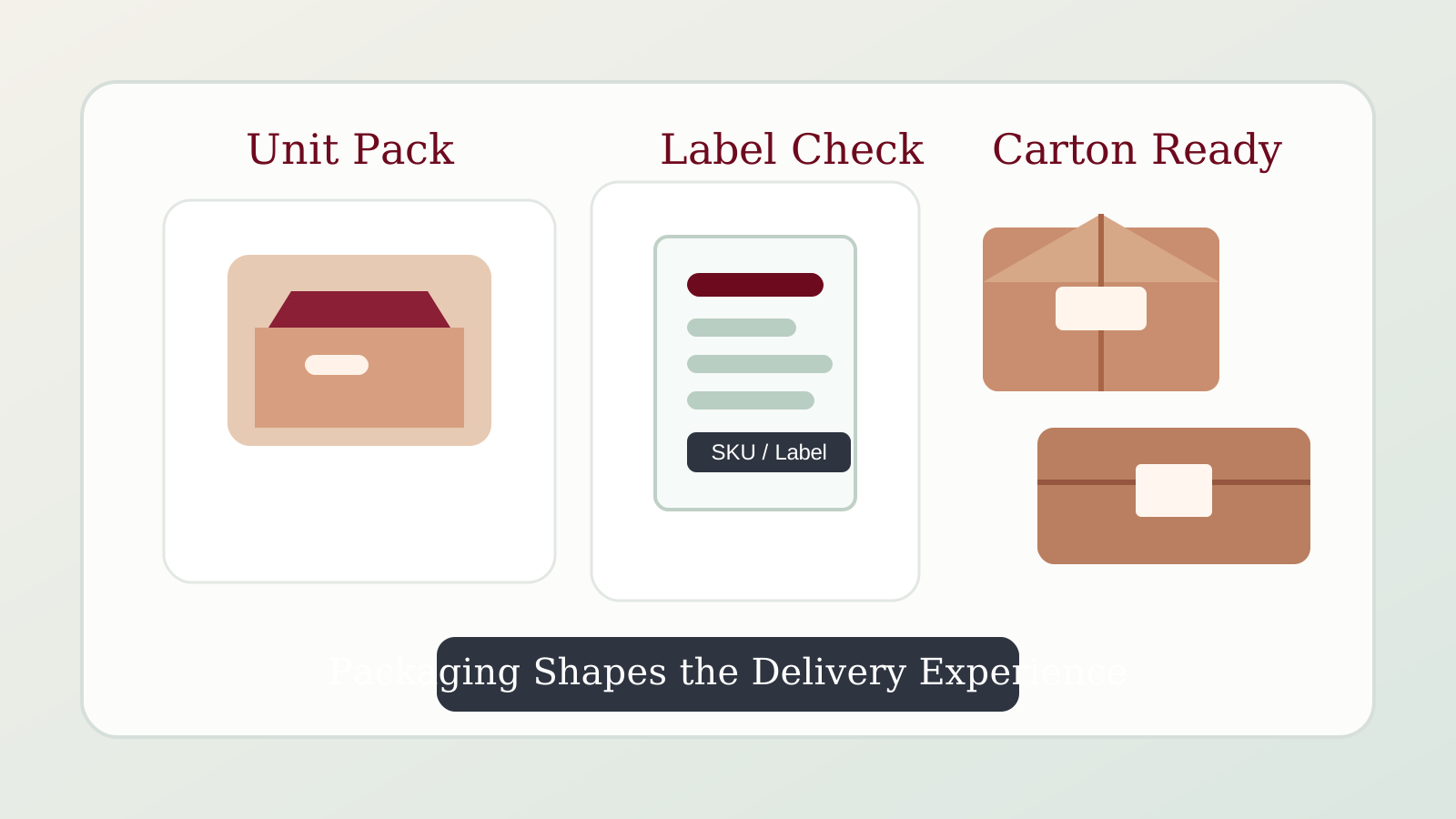
Individual unit packing
- Fold garment to an agreed method.
- Use a clean polybag sized to avoid over-compression.
- Apply size sticker or SKU sticker consistently.
- Insert hang tag, barcode, and brand labels in the approved positions.
Inner packing
Some buyers request bundles by size or color inside the master carton. Others want every unit loose but clearly stickered. The rule is consistency: warehouse staff should not have to guess the packing logic.
Master cartons
- Use carton strength appropriate for sea or air shipment.
- Print or label carton marks clearly.
- Keep carton weights manageable and consistent.
- Seal cartons well enough to survive handling across multiple checkpoints.
Details that brands often miss
- Barcode readability: Wrinkled labels or stickers placed over seams can fail scans.
- Polybag suffocation warning: Some markets and channels require it; some buyers specify exact wording.
- Carton assortment logic: If the purchase order says solid-size cartons, do not ship mixed-size cartons.
- Color naming consistency: Carton labels, hang tags, and system SKUs should match exactly.
- Pack ratio accuracy: A single wrong size ratio can create stockouts in your best-selling sizes.
Ecommerce and FBA packaging priorities
- Clean barcode system: Every sellable unit should be identifiable without opening the bag.
- Durable outer packing: Ecommerce inventory often gets touched more than wholesale inventory.
- Fast receiving: Clear carton labels and accurate packing lists reduce delays at the warehouse.
- Low rework risk: If prep work is wrong, the warehouse may relabel, rebag, or reject inventory.
Packaging approval checklist before bulk shipment
- Approved fold method and presentation sample
- Correct hang tags and brand labels
- SKU or barcode placement approved
- Polybag size and warning label confirmed
- Carton dimensions and weight target agreed
- Carton marks checked against the PO and warehouse instructions
- Packing list verified against actual assortment
How to reduce packaging errors with your factory
- Create one packaging sheet: Use photos, label positions, fold direction, and carton examples in a single reference document.
- Approve one full packed sample: Do not approve labels and polybags separately if the final unit pack still has not been reviewed.
- Inspect packed cartons before shipment: Packaging should be part of final QC, not treated as separate admin work.
- Lock naming conventions: Style name, color, size, and SKU format should not change between systems.
Useful packaging references
- Marketplace prep rules: Review the latest warehouse or marketplace receiving requirements before finalizing labels and barcodes.
- Country-specific labeling: Care labels, fiber content, and country-of-origin rules can change by market, so verify them before printing in bulk.
- Carton standards: Keep one written carton-mark template and one approved packing-list format so your logistics and warehouse teams see consistent data.
- Approval photos: A full packed-unit approval is often more useful than approving tags, labels, and polybags separately.
Bottom line
Good packaging protects margin in quiet ways. It reduces handling errors, speeds receiving, supports compliance, and helps inventory reach the customer exactly as intended. Treat packaging as part of product development, not as a last-minute task after sewing finishes.